INPS can assist with accessibility signage. In the USA, INPS utilizes the ADA Accessibility Guidelines for Buildings / Facilities and Transportation. In Canada, INPS utilizes the CSA Group (Canadian Standards Association) Accessible Design For the Built Environment document revised March 2023. Accessibility Signs are important to remove barriers in society. Many people rely on Braille and Tactile accessible sign systems.
INPS offers various Tactile Braille solutions
Restroom Signs
Stairwell Signs
Room Identification
Exit signs
Elevator signs
Escalator signs
RESTROOM SIGNS
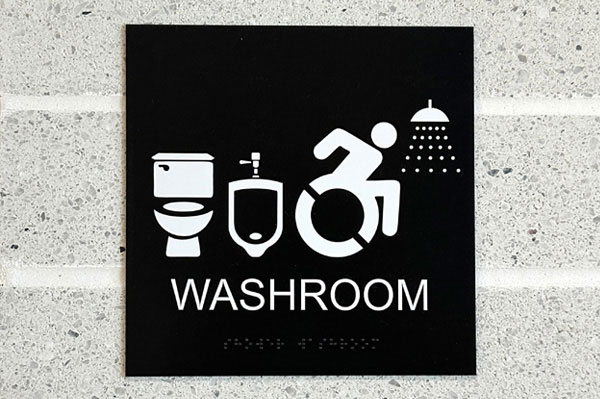
Washrooms are a permanent space which require Tactile Braille Signage.
Restroom Sign Options:
Gender Specific
Universal / Accessible
Gender Neutral / All Gender
Family
Amenity Signs
Single User
Directional Washroom Signs
STAIRWELL SIGNS
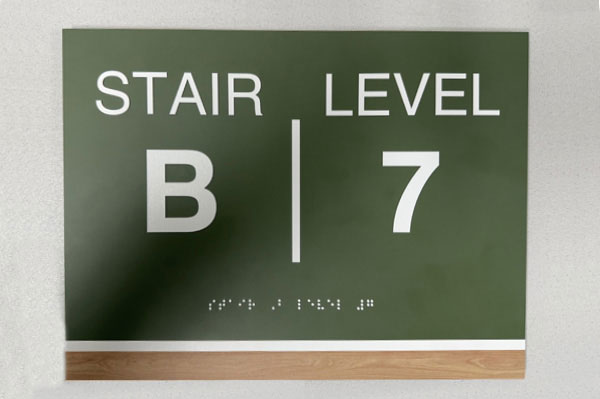
Tactile braille signs are required at the top and bottom of stairs, at staircase landings where a doorway opens onto stairs, and at the edge of platforms or ramps where a drop-off of change in level is greater than 250mm.
To be compliant:
Stairwell doors should have permanent, tactile signage (floor number/identifier).
Braille characters must be included, with mounting and placement per code/standards.
Sign design should allow both visual reading and touch reading – raised text plus Braille below the text.
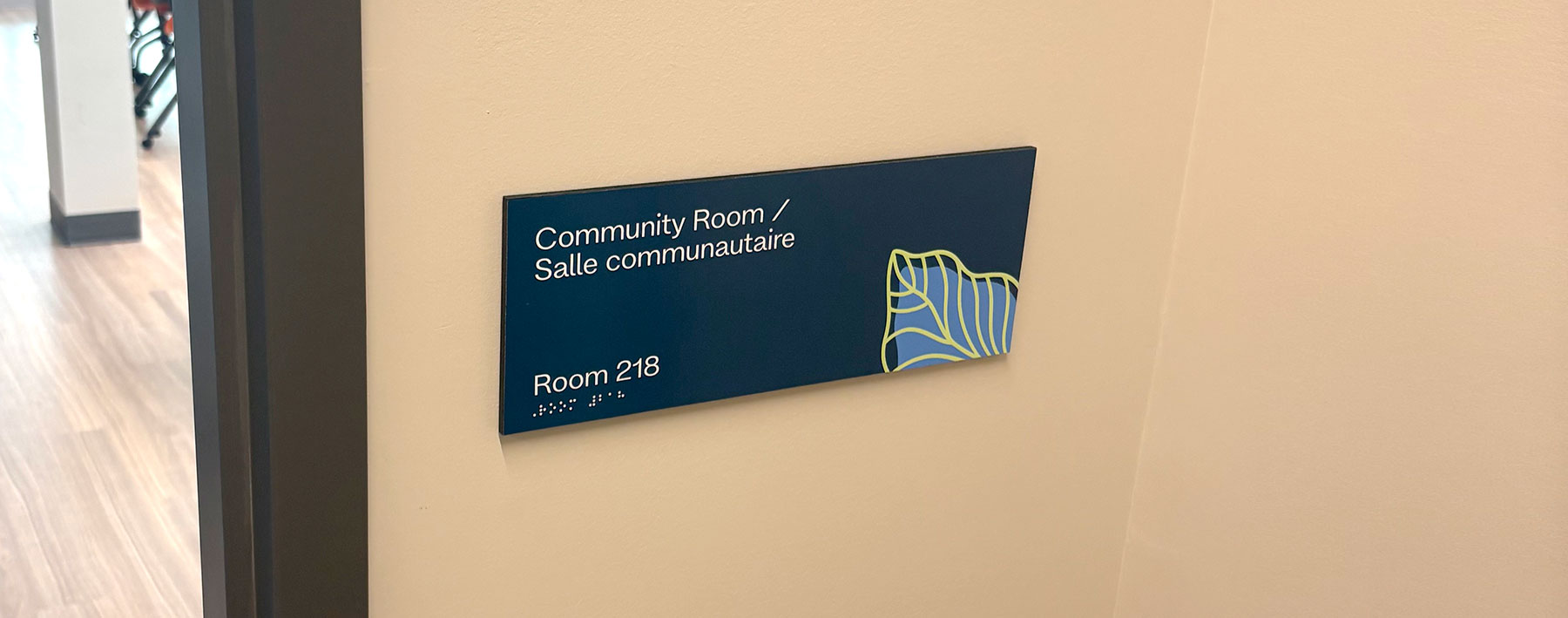
Room Identification
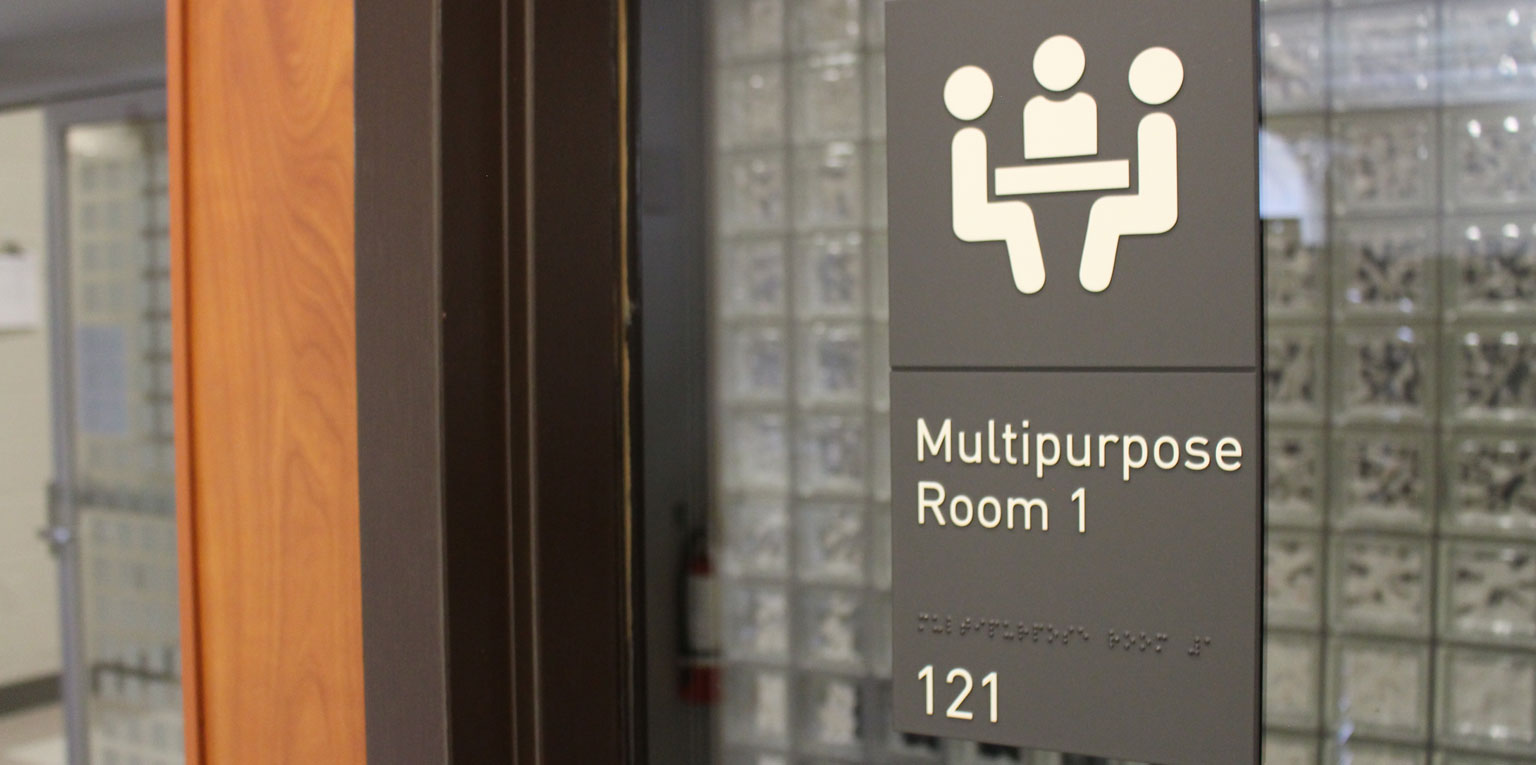
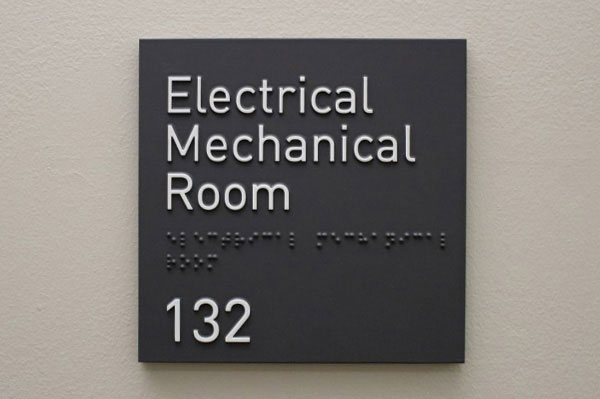
Signs identifying permanent rooms and spaces. Rooms such as mechanical rooms, amenity rooms, floor/unit numbers must be tactile.
Rooms that must have braille (tactile) identification are those that are permanent, fixed, and used by the public or staff.
Change rooms
Shower rooms
Meeting rooms
Conference rooms
Classrooms
Auditoriums
Cafeterias
Libraries
Waiting rooms
Lobbies
Reception areas
Interview rooms
Offices
Patient rooms
Examination rooms
Treatment rooms
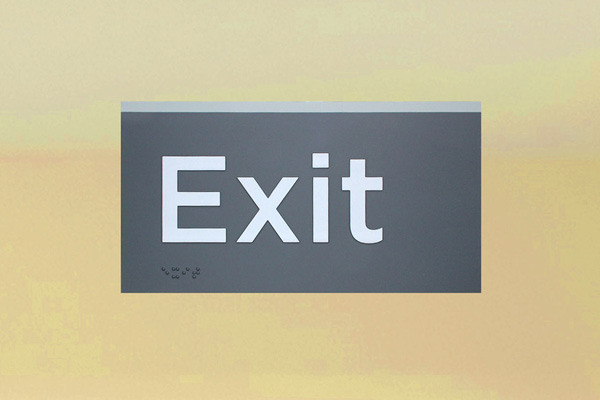
Exit Signs
Exit signs require Braille to ensure safe, independent evacuation and wayfinding for people who are vision impaired or have low vision—especially during emergencies. The requirement is grounded in accessibility, life-safety, and human rights legislation.
Standardized Braille exit signage creates predictable wayfinding, helping users confidently navigate unfamiliar buildings such as hospitals, schools, transit stations, and offices.
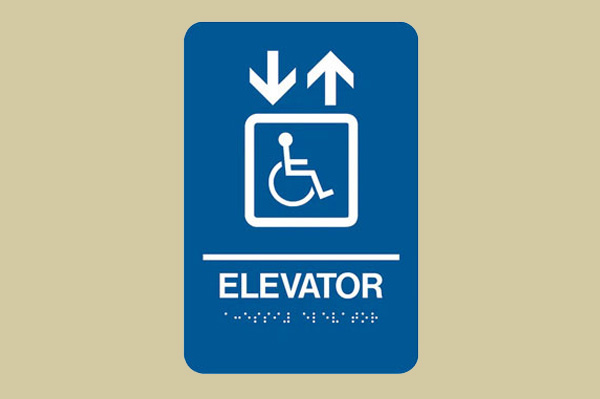
Elevator Signs
Elevator Signs must include braille.
These signs provide clear, accessible communication for patrons with disabilities through compliant Elevator ADA tactile Braille signage. In accordance with ADA and AODA regulations. All permanent rooms and spaces within a commercial facility must include properly installed elevator identification signs featuring raised characters and Grade 2 Braille. These signs must be visibly posted to ensure easy readability and independent navigation for all building users.
Braille sign colour, symbols, and messaging can be fully customized to suit your facility’s design and compliance requirements.
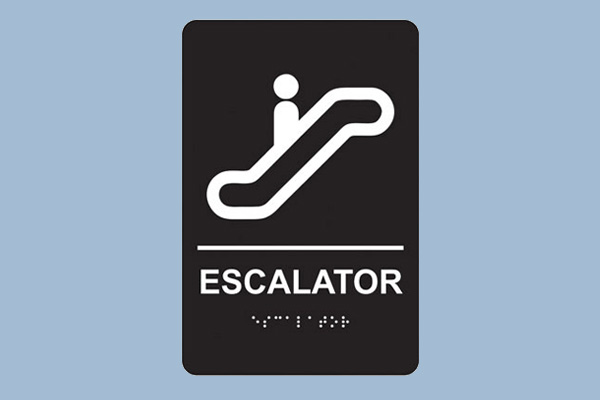
Escalator signs
Escalator Braille signs are ADA and AODA–compliant wayfinding solutions designed to support patrons who are visually impaired. These signs feature raised text, tactile symbols, and Grade 2 Braille to clearly identify “Escalator,” indicate direction (Up / Down), and, when required, include accessibility icons such as the wheelchair symbol for nearby elevators. Properly installed, these signs promote safe, intuitive navigation while meeting all applicable accessibility standards.
Braille sign colour, symbols, and messaging can be fully customized to suit your facility’s design and compliance requirements.
where to use
CORPORATE OFFICES I CONDOS & APARTMENTS I HEALTHCARE I INSTITUTIONS I RETAILS I GOVERNMENT